
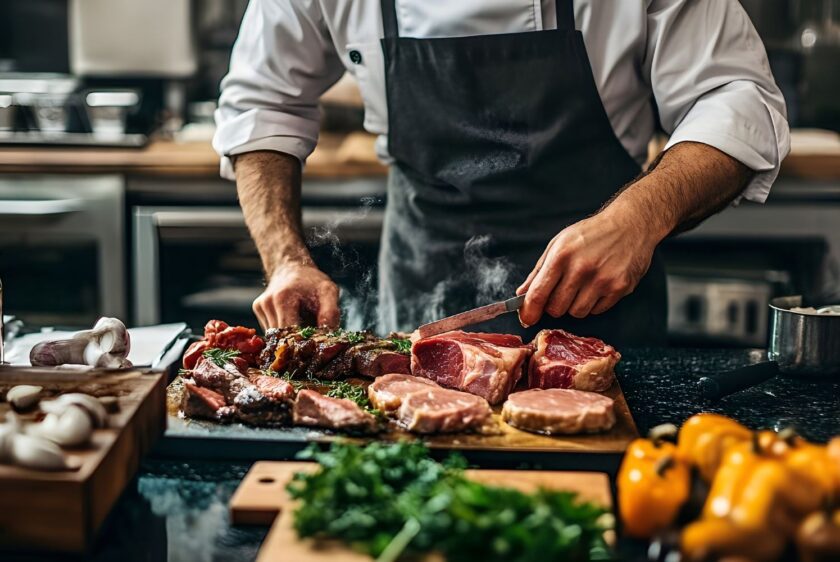
A Complete Guide to Handling Commercial Food Waste
Whether you run a bustling city-centre restaurant, a local takeaway, or a large hotel kitchen, managing waste is a daily operational challenge. Handling commercial food waste efficiently is not just about keeping your kitchen tidy, it is a strict legal requirement that directly impacts your bottom line and the environment. When organic waste is mismanaged or sent to a landfill, it decomposes and releases methane, a potent greenhouse gas.
Here is your complete guide to identifying, storing, and recycling your food waste streams safely and sustainably. Food businesses also need to stay on top of pest risks — our commercial pest control service provides treatment and full compliance documentation for food premises across Liverpool.
Identifying Your Commercial Food Waste Streams
The first step in implementing a robust waste management system is understanding exactly what is going into your bins. Even in the most efficiently run commercial kitchens, some waste is unavoidable. Effective recycling food waste strategies start with identifying:
- Preparation Waste: This includes inedible by-products such as vegetable peelings, meat trimmings, bones, and coffee grounds.
- Spoilage: This refers to ingredients or out-of-date food that has gone bad before it could be prepared or served.
- Plate Waste: This is the uneaten food that customers leave behind on their plates.
By monitoring these distinct streams, you can identify patterns, adjust your purchasing and portion sizes, and ultimately reduce the amount of food you throw away.
Storage and Hygiene Best Practices
Because food waste is wet, heavy, and prone to rapid decomposition, storing it correctly is essential for maintaining a safe and hygienic premises. Storing food waste in unsealed containers or warm areas in direct sunlight can quickly lead to severe odours and attract pests such as rats and flies.
The guidelines for storing commercial food waste are straightforward: waste must be kept in a secure place, using clearly labelled containers with waterproof lids to prevent any spillage, leakage, or contamination.
To help businesses maintain the highest hygiene standards, Central Waste provides robust 240-litre wheelie bins specifically designed for food waste. To combat odours and mess, our team places a fresh, clear bin liner into your bin after every single collection. This ensures your bins remain sanitary and pest-free all year round.
The Waste Cooking Oil Factor
For many food businesses, waste cooking oil (UVO) and animal fats are a massive part of their daily waste output. Disposing of used cooking oil by pouring it down the drain is illegal; the oils and fats solidify in the pipes, creating massive “fatbergs” that block local sewers and cause severe environmental pollution.
Instead, waste oil should be stored safely in food-grade containers. When you use a licensed collection service, this oil is taken to a refinery where it undergoes a process called transesterification, transforming it into eco-friendly biodiesel.
At Central Waste, we supply clean storage drums after every collection. Best of all, we offer rebates and pay top prices for high-quality used cooking oil, meaning your business can actually turn a profit from this specific waste stream while supporting the UK’s renewable energy targets.
Setup Your Collection Today
When you partner with a responsible waste carrier, your commercial food waste avoids the landfill entirely. Instead, we transport it to a specialised facility where it undergoes anaerobic digestion, a process that uses microorganisms to break down the food and convert it into green fuel and electricity for the national grid.
Established in 1977, Central Waste is a trusted, local provider offering flexible, 7-day-a-week collections across Liverpool and the Merseyside area.
Ready to streamline your kitchen operations, boost your green credentials, and lower your disposal costs? Call our friendly team today on 0151 733 5551 to arrange your dedicated commercial food waste and oil collections.
Liverpool's Commercial Waste Experts
Ready to Sort Your Business Waste? Get a Free Quote in 2 Minutes.
Central Waste has been keeping Liverpool businesses waste-free since 1977. General waste, recycling, food waste, glass, oils — we cover it all across Merseyside. 7-day service, price-match promise, no obligation.
Get a Free Quote →229 five-star Google reviews · Serving Liverpool businesses since 1977 · 7-day service