Navigating Waste Cooking Oil Regulations in the UK
The Environmental Protection Act 1990 Under the Environmental Protection Act 1990, every business that produces waste is bound by a strict legal “Duty of Care”. This means you are legally required to ensure that your commercial waste, including waste cooking oil, is stored safely and disposed of correctly to protect public health and the environment. […]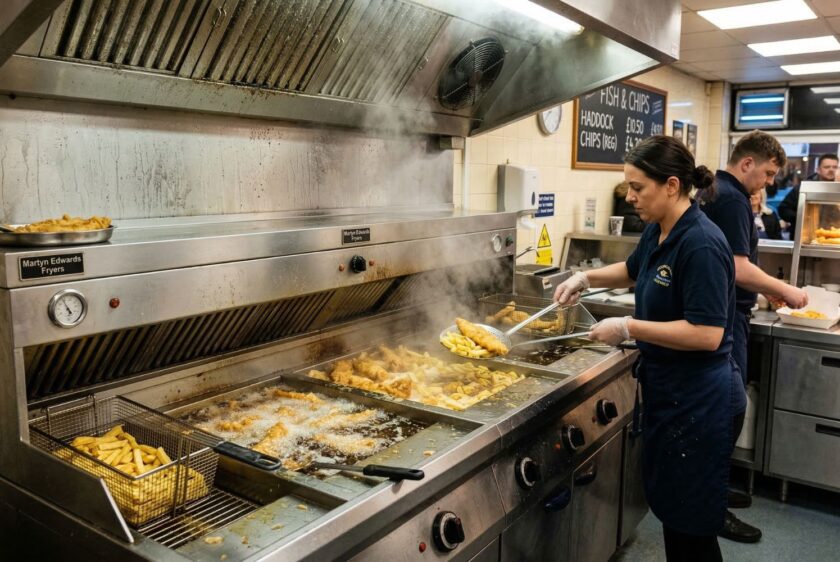
Efficient Fry Oil Disposal for Takeaways and Chip Shops
The Challenges of High-Volume Fry Oil Running a fast-food outlet, chip shop, or takeaway means dealing with high demands and fast turnarounds, which naturally results in massive amounts of spent fry oil generated daily. For these busy establishments, standard waste disposal simply isn’t enough to handle the sheer volume of leftover fats. If your collection […]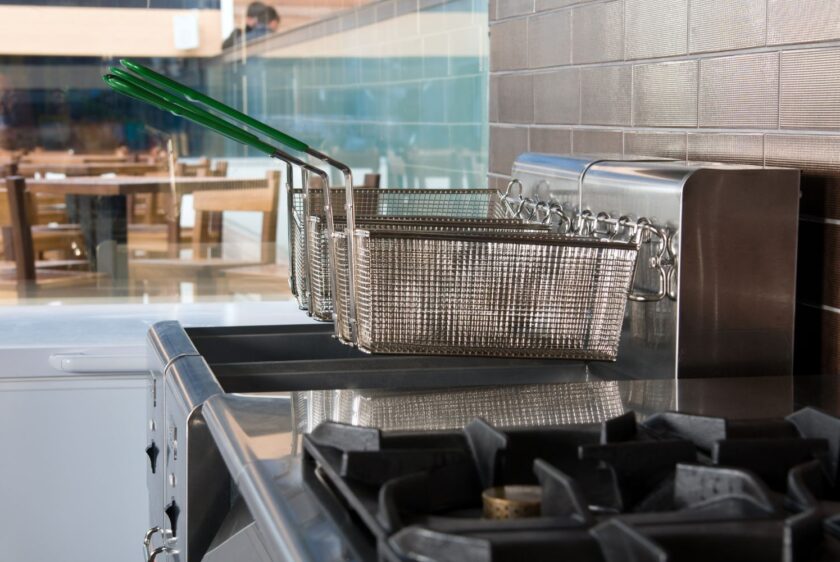
How Waste Cooking Oil Collection Can Benefit Your Business
In the food industry, managing waste is a daily struggle. One of the biggest culprits? Cooking oil. Whether you’re running a bustling restaurant or a small-scale catering business, disposing of used cooking oil can be a real headache. It’s costly, time-consuming, and can even pose environmental risks. That’s where Central Waste steps in. We’re your […]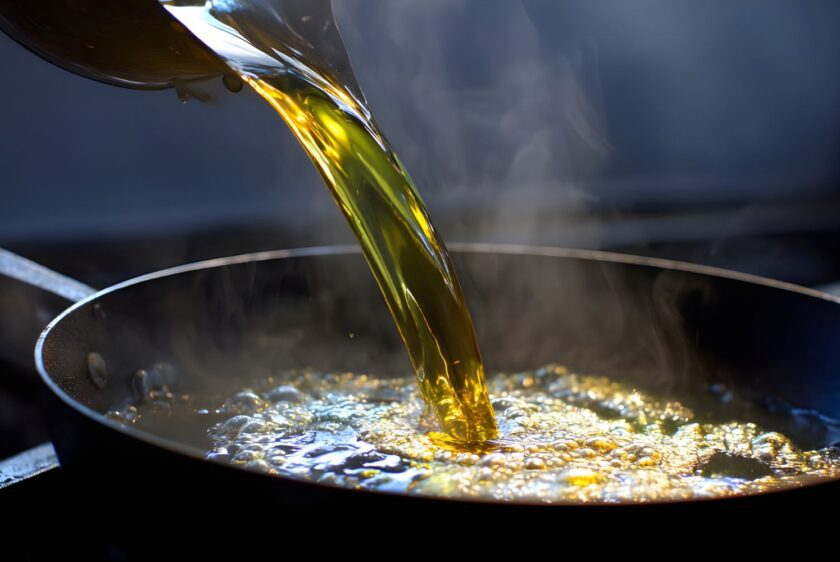
From Kitchen to Grid: The Journey of Waste Vegetable Oil
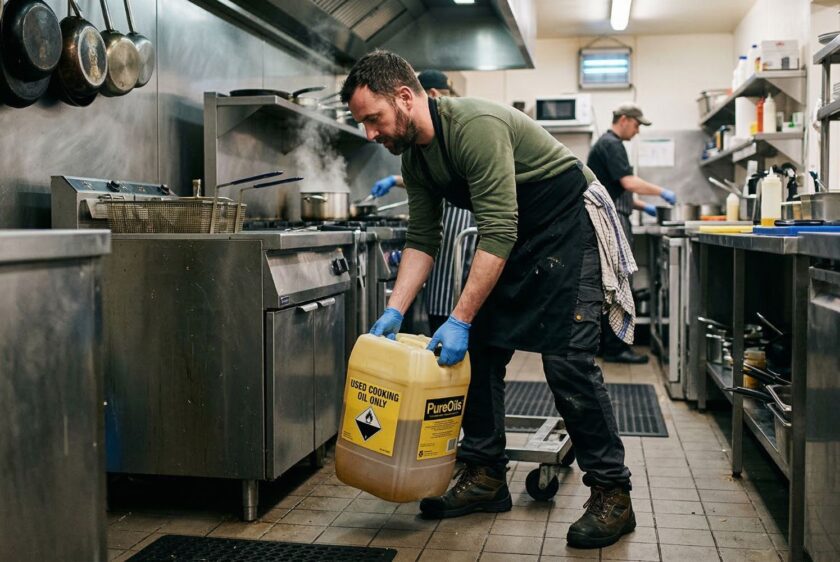
The First Step: Safe Collection The journey of recycling your waste vegetable oil begins right in your commercial kitchen. Before it can be sent off to become green energy, it must be stored correctly. Businesses should keep their waste oil in dedicated food-grade containers with tight-fitting lids to reduce odours, prevent pests, and ensure the […]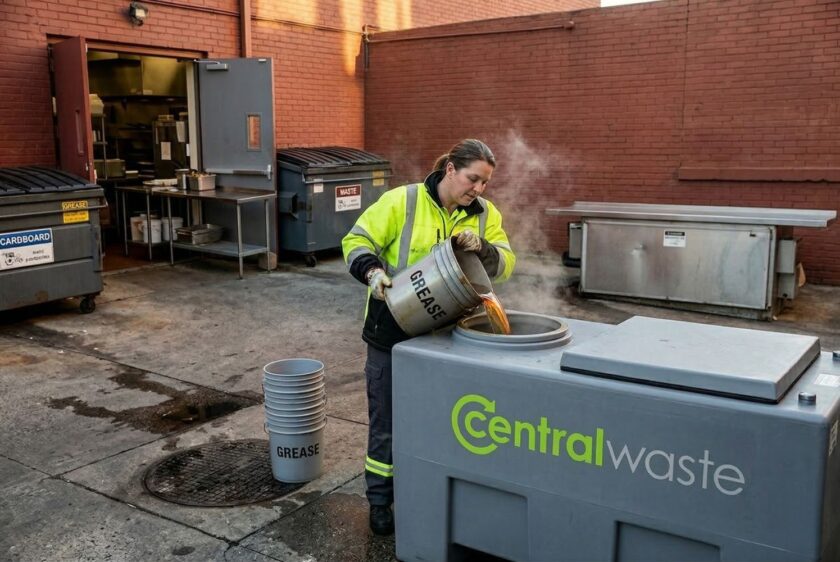
Comprehensive Grease Waste Solutions for the Hospitality Sector
The True Cost of Mishandled Grease Waste For businesses in the hospitality sector, managing kitchen by-products is a major operational challenge, and grease waste requires particular attention. Disposing of grease waste by pouring it down the drain is not only highly damaging to the environment, but it is also illegal. When fats, oils, and grease […]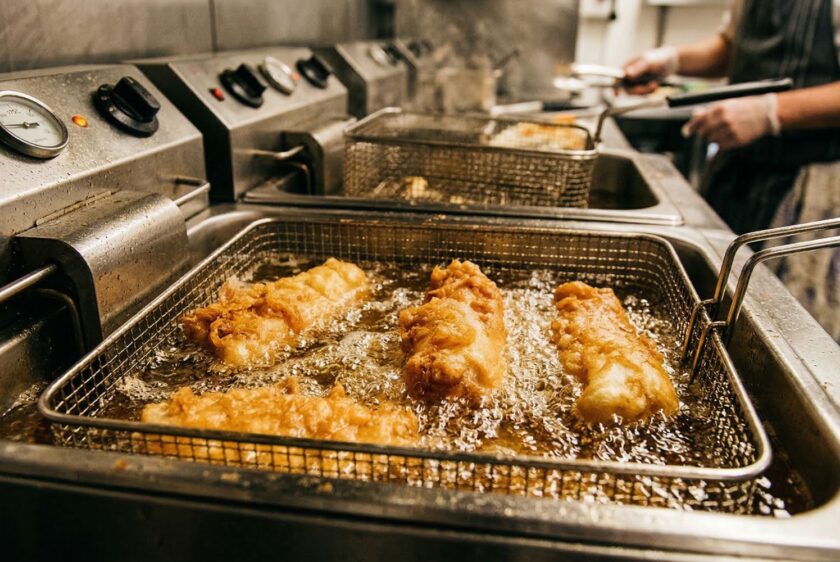
How to Monetise Your Used Vegetable Oil (UVO)
Why Your Used Vegetable Oil is a Valuable Resource For many commercial kitchens, leftover frying fat is simply seen as an unavoidable waste product. However, your used vegetable oil (UVO) is actually a highly sought-after commodity for biofuel refineries. By choosing to recycle your UVO rather than throwing it away, your business is actively supporting […]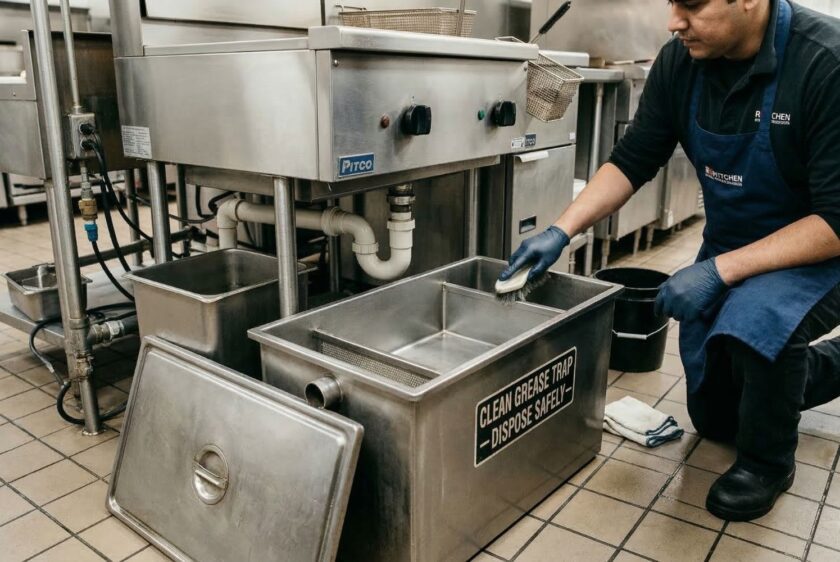
Brown Grease Management: Preventing Blockages and Fines
What is Brown Grease? In a busy commercial kitchen, not all waste oils are created equal. It is vital for restaurant owners and staff to understand the distinct difference between “yellow grease” and brown grease. Yellow grease refers to the cleaner, used cooking oil that is collected directly from deep fryers. Because it is relatively […]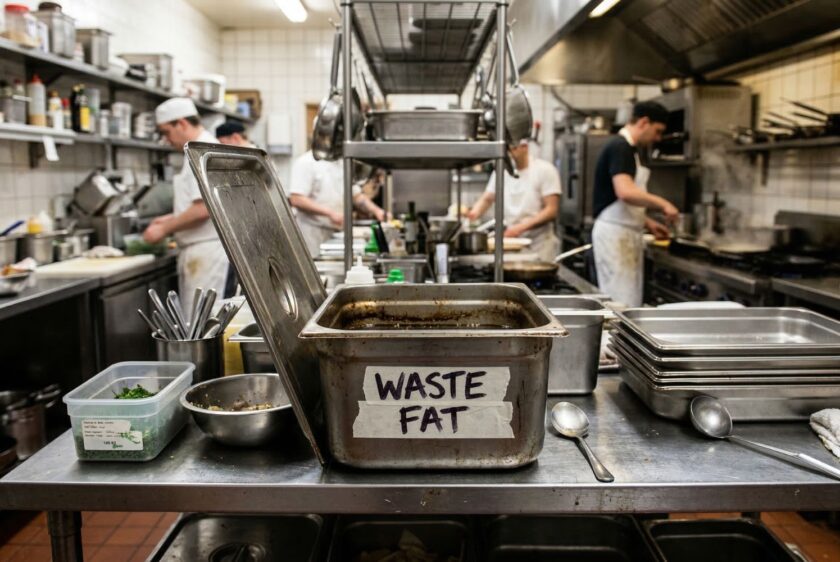
Professional Waste Fat Collection for Merseyside Commercial Kitchens
The Danger of Unmanaged Kitchen Fats In the fast-paced food industry, managing waste, particularly animal fats, is a daily struggle that requires special attention. When these fats are stored improperly in open containers, they can quickly attract pests, lead to unpleasant odours, and create a highly unsanitary environment for both staff and customers. Also, attempting […]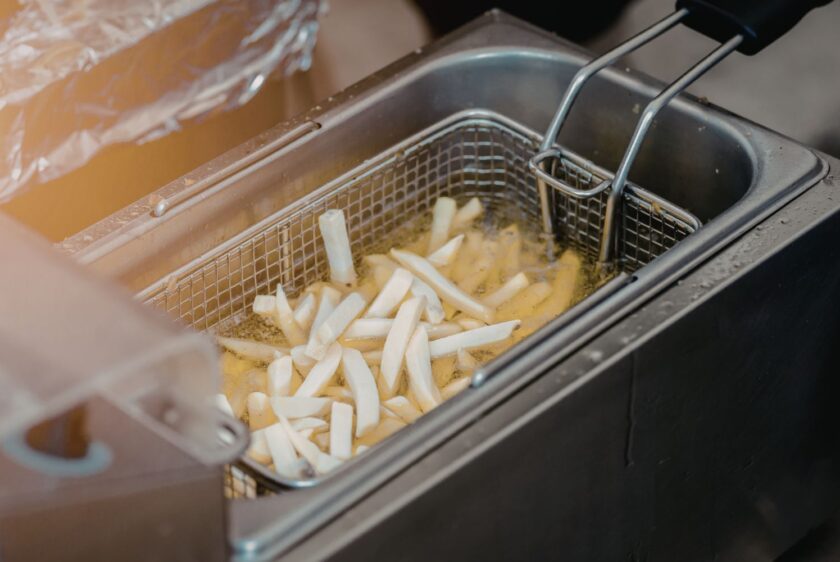
The Complete Guide to Used Cooking Oil Recycling in Liverpool
The Environmental Impact of Used Cooking Oil For any commercial kitchen, managing waste is a daily operational challenge, but handling used cooking oil requires special attention. Disposing of used cooking oil by pouring it down the drain is not only highly harmful to the environment, but it is also illegal. When oil and animal fats […]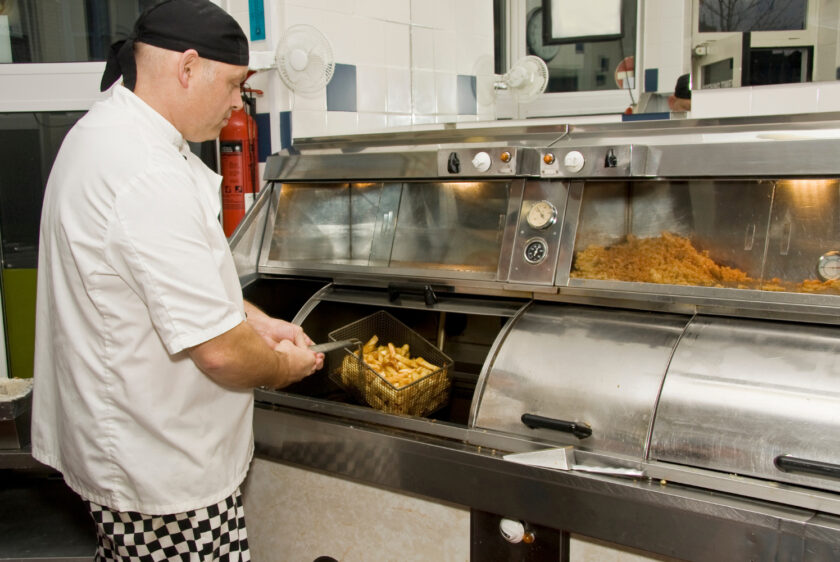
How to Properly Store Waste Cooking Oil Before Collection
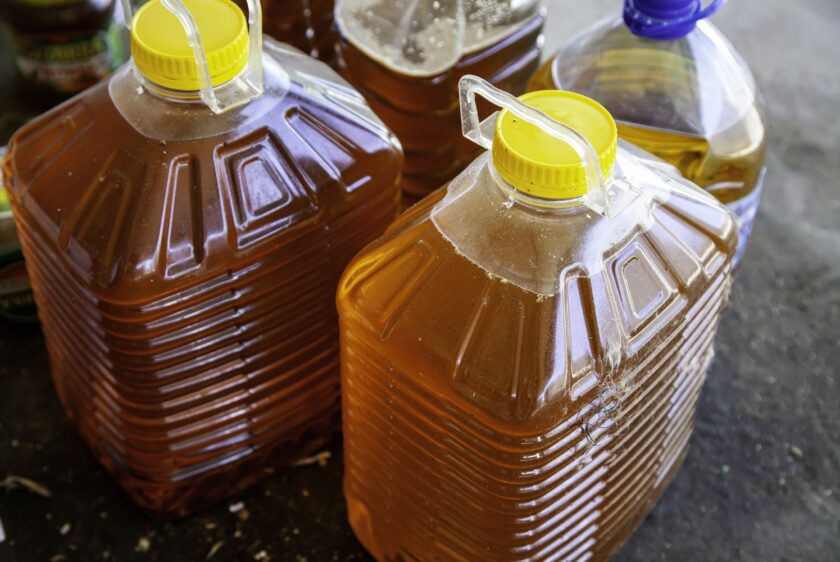
Whether you run a fine dining restaurant or need us to safely collect massive volumes of fry oil at a fast-paced takeaway, storing it safely is your first priority. Not only will this help to reduce odours and prevent contamination, but it will also make the collection process easier and more efficient. Here are some […]