
Glass Waste Management Best Practices for Hospitality
Overcoming Glass Waste Management Challenges
Implementing a strict business glass collection routine ensures that your heavy glass is removed
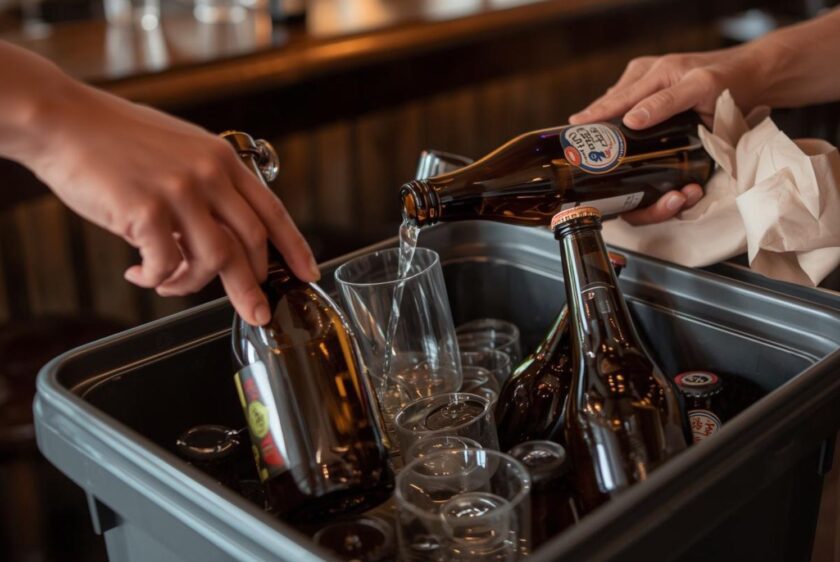
In the bustling hospitality sector—encompassing pubs, bars, restaurants, and hotels—managing waste efficiently is a daily challenge. These environments generate a substantial volume of heavy, bulky glass bottles that can quickly pile up, creating severe space constraints and safety hazards for staff if broken.
Attempting to manage this internally or relying on inefficient disposal methods is not only dangerous but also costly. Partnering with a professional, licensed waste carrier is essential to ensure that your glass is collected safely, frequently, and compliantly. Implementing a strict business glass collection routine ensures that your heavy glass is removed before it becomes a hazard, keeping your premises safe and your business operations running smoothly.
Segregation is the Key to Success
The core of an effective glass waste management strategy is proper segregation. In busy commercial spaces, there is often a temptation to throw everything into the same bin, but this mix-up makes recycling incredibly difficult, if not impossible. Glass must be kept strictly out of dry mixed recycling (DMR) bins to avoid contaminating other valuable recyclables like paper and plastics. When materials are contaminated, they are often rendered useless for the recycling process and end up being sent to landfills.
Beyond the environmental benefits, there is a massive financial incentive to segregate your glass. Because sending waste to a landfill is subject to high taxes, separating your glass into a dedicated recycling bin can save your business an average of 10% to 15% on your annual waste management costs. To make segregation easy, businesses should use clearly labelled, dedicated containers, such as the robust 240-litre glass recycling bins which are the perfect size for hospitality venues.
The Environmental Impact of Glass Waste
If a glass bottle is thrown into a general waste bin, the environmental cost is profound. Glass is a non-biodegradable material, meaning that if it is sent to a landfill, it will occupy that space indefinitely.
However, glass is also a remarkable material because it can be recycled indefinitely without ever losing its quality. The lifecycle of a recycled glass bottle is a perfect example of a sustainable circular economy. By recycling your glass waste, your business helps to conserve the earth’s natural resources; in fact, recycling glass saves approximately 1.2 tonnes of raw materials for every single tonne recycled. Furthermore, melting down crushed recycled glass (known as ‘cullet’) requires significantly less energy than manufacturing glass from raw materials, drastically reducing harmful CO2 emissions.
Partner with Central Waste
At Central Waste, we have been providing flexible and reliable waste management services to businesses throughout the Merseyside area since 1977. We understand that hospitality businesses don’t operate on a standard 9-to-5 schedule, which is why our glass collection services are available seven days a week, 365 days a year—including weekend pickups for busy bars and restaurants.
To help you achieve your sustainability goals and lower your disposal costs, we provide our high-quality 240-litre commercial recycling bins completely free of charge to all of our collection customers.
Take control of your glass waste management today. Contact our friendly local team on 0151 733 5551 to request a quick quote and arrange your free site survey.
Liverpool's Commercial Waste Experts
Ready to Sort Your Business Waste? Get a Free Quote in 2 Minutes.
Central Waste has been keeping Liverpool businesses waste-free since 1977. General waste, recycling, food waste, glass, oils — we cover it all across Merseyside. 7-day service, price-match promise, no obligation.
Get a Free Quote →229 five-star Google reviews · Serving Liverpool businesses since 1977 · 7-day service