
5 Strategies for Minimising Restaurant Food Waste
The True Cost of Restaurant Food Waste
Running a successful restaurant involves a delicate balancing act, but one area that consistently drains profits is restaurant food waste. In the UK, the hospitality sector faces a massive challenge, with restaurants alone accounting for 22% of all hospitality food waste, generating approximately 199,000 tonnes every year. Implementing comprehensive waste disposal solutions for pubs and restaurants can stop this financial drain.
This isn’t just an environmental issue; it is a severe financial burden. It is estimated that restaurants spend a staggering £682 million annually on costs related to food waste, which equates to around £3,500 for every single tonne of food wasted. This massive figure encompasses not just the cost of waste disposal, but also the money spent on procuring, preparing, and storing food that ultimately ends up in the bin. Generally, this waste falls into three main categories: spoilage, preparation waste (like peelings and bones), and plate waste left behind by customers.
Practical Steps to Reduce Plate Waste
Surprisingly, a massive 34% of food waste in the hospitality sector comes directly from customers’ uneaten food, known as plate waste. Implementing smart strategies in your dining room can drastically reduce this volume.
- Embrace Menu Flexibility and Portion Control Not every diner has the same appetite. Research shows that around a third of Brits do not finish their meals when eating out, wasting an average of £80 a year on unfinished food. By offering flexible menu options, such as smaller portion sizes at a reduced price or allowing customers to substitute side dishes they might not eat, you can prevent significant amounts of food from being left on the plate.
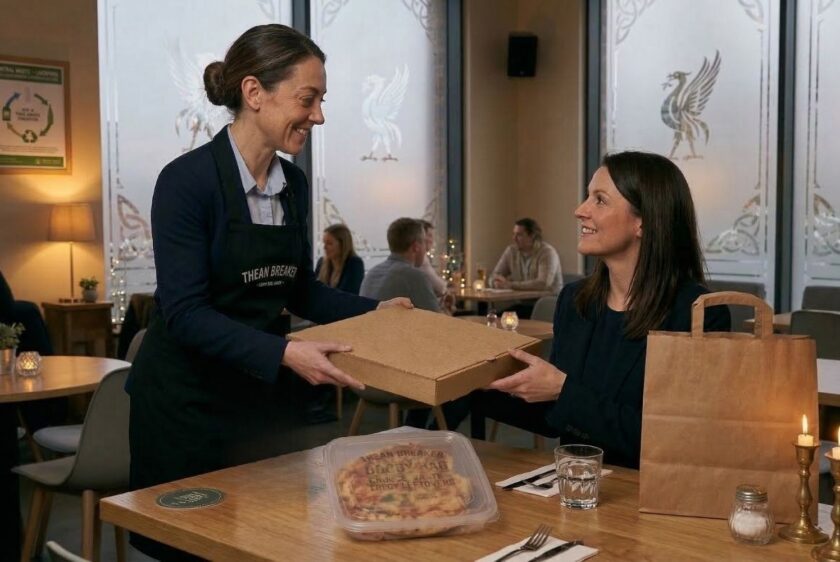
- Proactively Offer “Doggy Bags” Providing containers for customers to take their leftovers home is a win-win: diners get a second meal or late-night snack, and your restaurant pays less in waste disposal fees. While many customers want to take their food home, studies show that some are simply too embarrassed to ask. A pilot scheme in Scotland demonstrated that when restaurants proactively offered “doggy bags,” they managed to cut their food waste by an impressive 42%.
Smart Inventory and Date Labelling
Behind the scenes, the way your kitchen manages its stock plays a critical role in preventing expensive food spoilage.
- Implement the FIFO Method Effective inventory management is the cornerstone of a waste-free kitchen. Adopting a First-In, First-Out (FIFO) system ensures that older stock is always used before newer deliveries. By rotating your stock efficiently, you drastically minimise the risk of perfectly good ingredients spoiling before they can be served.
- Educate Staff on Date Labelling Misinterpreted date labels are a major culprit for perfectly edible food ending up in the bin. It is vital to train your staff on the difference between label types:
- Best Before: This indicates when a product is at its peak quality. Food past this date might not taste optimal, but it is still perfectly safe to eat and does not need to be thrown away.
- Use By: This is a safety marker. Food past its “Use By” date could harbour harmful bacteria and must be discarded. Clarifying this confusion among your team can save hundreds of pounds in unnecessary waste.
Recycling Unavoidable Restaurant Food Waste
Even the most efficient kitchens will generate some unavoidable waste, such as vegetable trimmings, bones, and spoiled items. When this happens, throwing it into the general waste bin means it will rot in a landfill, releasing harmful methane gases into the atmosphere.
- Turn Waste into Green Energy Instead of sending food to a landfill, partner with a responsible waste management service. When you use dedicated food bins, your organic waste is transported to a facility where it undergoes anaerobic digestion. This advanced process uses microorganisms to rapidly break down the food scraps, converting them into renewable biogas and bio-fertiliser, which helps power the national grid.
Take Control of Your Waste with Central Waste Established in 1977, Central Waste is Liverpool’s trusted partner for sustainable commercial waste disposal. We operate with a strict zero-to-landfill commitment, ensuring that 95% of all the waste we collect across Merseyside is responsibly recycled.
To help you segregate your food waste efficiently and hygienically, we supply robust 240-litre commercial food bins, complete with fresh, clear bin liners after every collection, completely free of charge to our collection customers. We also provide your legal Duty of Care paperwork for free, keeping your business fully compliant.
Ready to lower your waste disposal bills and boost your green credentials? Call the friendly Central Waste team today on 0151 733 5551 to request a quick quote and arrange your free site survey.
Liverpool's Commercial Waste Experts
Ready to Sort Your Business Waste? Get a Free Quote in 2 Minutes.
Central Waste has been keeping Liverpool businesses waste-free since 1977. General waste, recycling, food waste, glass, oils — we cover it all across Merseyside. 7-day service, price-match promise, no obligation.
Get a Free Quote →229 five-star Google reviews · Serving Liverpool businesses since 1977 · 7-day service