
Brown Grease Management: Preventing Blockages and Fines
What is Brown Grease?
In a busy commercial kitchen, not all waste oils are created equal. It is vital for restaurant owners and staff to understand the distinct difference between “yellow grease” and brown grease.
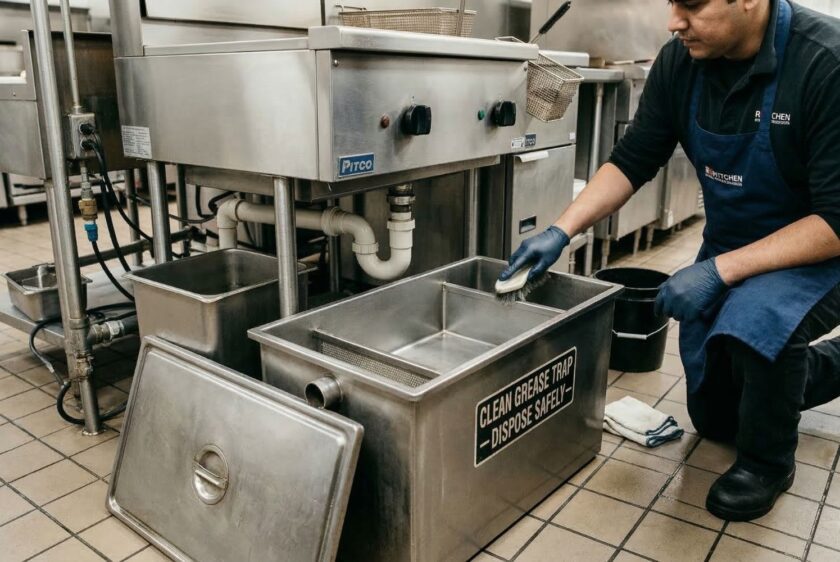
Yellow grease refers to the cleaner, used cooking oil that is collected directly from deep fryers. Because it is relatively pure, it is highly valuable; we can collect and bulk this oil, forwarding it to dedicated partner refineries where it is transformed into eco-friendly biodiesel. Brown grease, on the other hand, is the fats, oils, and grease (FOG) recovered from your kitchen’s grease traps or interceptors. This grease is heavily contaminated with wastewater, rotting food solids, and harsh cleaning chemicals.
Because of this high level of contamination, it requires highly specialised handling. It is crucial that staff never mix brown grease with your clean used cooking oil. Doing so will completely ruin the quality of your recyclable oil, preventing it from being accepted by refineries and forfeiting any financial rebates you might receive for it.
The Water Resources Act 1991
Disposing of grease incorrectly is not just bad practice; it is a serious legal offence. Under the Water Resources Act 1991, it is strictly prohibited to discharge trade effluent—including waste oil and grease—into water bodies or public sewers without proper authorisation.
When businesses wash grease down the sink, it eventually cools and solidifies in the pipes. This leads to the creation of massive “fatbergs” that cause severe blockages in local sewers and lead to devastating environmental pollution. To comply with the Water Resources Act 1991 and the Environmental Protection Act 1990, businesses must ensure that their grease trap waste is stored safely in leak-proof containers to prevent groundwater seepage. It must then be collected by a verified, licensed waste carrier and forwarded to a specialist facility for legal processing. Failing to follow these steps can result in prosecution and fines of up to £5,000.
Improving Hygiene and Safety
Neglecting your grease traps doesn’t just put you at risk of hefty fines; it also creates severe hygiene and safety hazards inside your premises.
When brown grease is left to sit in a trap for too long, the organic matter begins to rot and break down anaerobically. This process leads to a build-up of acidic substances and highly toxic, foul-smelling gases like hydrogen sulphide. Not only can these terrible odours seep out of the kitchen and ruin your customers’ dining experience, but the rotting waste will also quickly attract pests, such as flies and rats. Implementing a regular, scheduled removal of your grease trap waste stops these issues in their tracks, keeping your kitchen sanitary, safe, and smelling fresh.
Stay Compliant with Central Waste
Managing the unpleasant by-products of a commercial kitchen doesn’t have to be a headache. Established in 1977, Central Waste is a fully licensed and trusted waste carrier for businesses across Liverpool and the Merseyside area.
We provide expert advice on how to properly separate your waste streams. We ensure your valuable clean oil is collected and forwarded to partner refineries to become renewable energy, while your contaminated grease is safely extracted and forwarded to specialist treatment facilities. To give you complete peace of mind, we supply all of your legally required ‘Duty of Care’ waste transfer notes completely free of charge, proving your business is 100% compliant with UK law.
Don’t let neglected grease traps lead to blocked pipes and heavy fines. Call the friendly team at Central Waste today on 0151 733 5551 to request a quick quote and schedule your safe grease removal.